

Some companies are finding out that heavy AI use can get expensive fast.
The cheap tool can become an expensive habit
A lot of AI pitches start with the same promise: less labor, faster work, lower cost. That can be true for the right task. But the bill changes when a company moves from a few tests to daily use across teams.
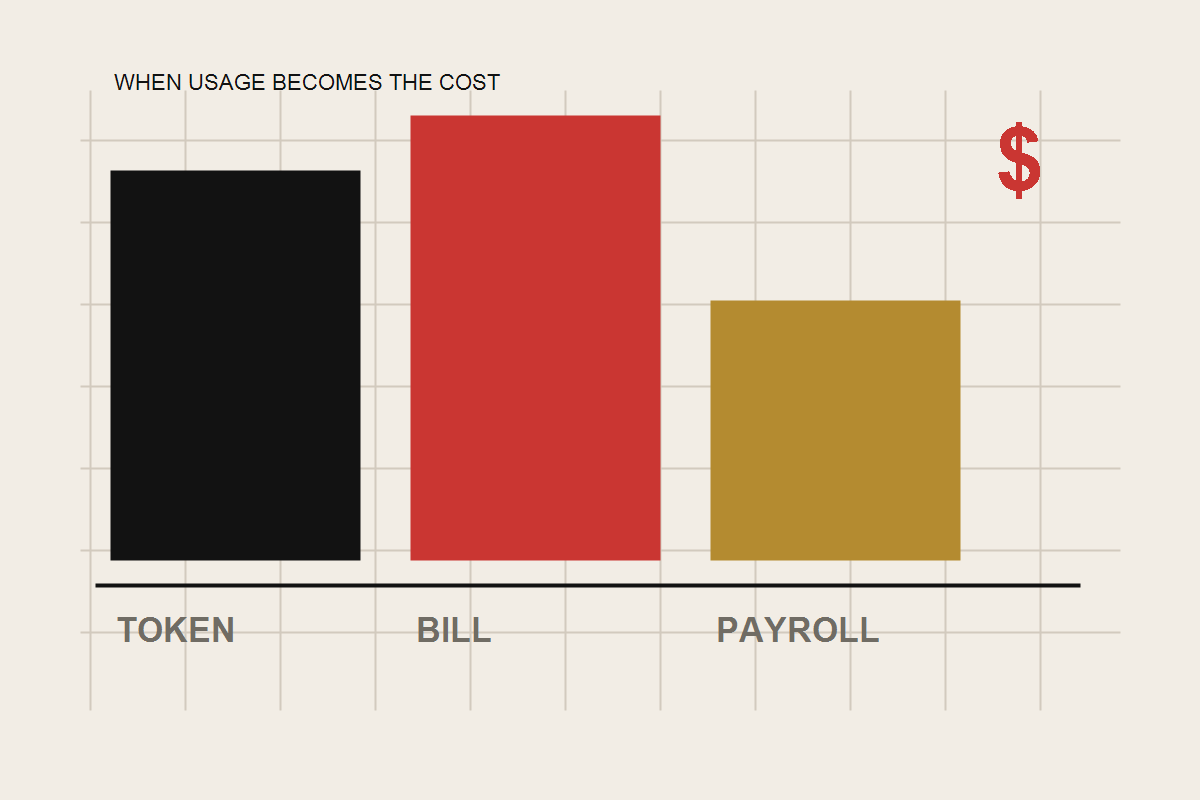
Tokens are not free. Agent runs are not free. Failed attempts are not free. If a team uses AI like an unlimited intern, the cost can start looking less like software and more like payroll.
The pullback is already showing up
The clearest examples are not companies quitting AI. They are companies putting limits around it. Reports have described Uber burning through its AI budget faster than expected, then tightening usage. Microsoft reportedly canceled most of its Claude Code licenses and pushed employees toward GitHub Copilot instead. Klarna is another useful warning: after talking up AI customer service, it later said it needed more human support again.
That does not mean AI failed. It means the replacement math was too simple. A tool can save time in one place and create a bigger cost somewhere else.
The problem is not AI. The problem is pretending usage is the same thing as savings.
The better test is boring
The better question is not whether a company uses AI. The better question is where it pays for itself. Does it remove a real bottleneck? Does it reduce rework? Does it make the final decision better? Does it cost less after retries, review, and mistakes are counted?
That is the part that gets missed when AI is treated like a magic replacement for people. The bill has to be measured against the whole job, not just the first draft.